Beethoven completed his Symphony No. 3 in E-flat major, Op. 55, “Eroica” in 1804, originally dedicating it to Napoleon Bonaparte before famously tearing out the title page upon learning that Napoleon had crowned himself Emperor. The work shattered every expectation of what a symphony could be — nearly twice the length of any that had come before, with a dramatic scope and emotional intensity that marked the dawn of musical Romanticism
The opening movement is built on a deceptively simple theme that Beethoven subjects to a vast and unprecedented development, while the second movement Marcia funebre stands as one of the most profound slow movements in the orchestral literature. The finale, a set of free variations on a theme Beethoven had already used in his Prometheus ballet music, brings the symphony to a blazing and triumphant close.
More than two centuries later, the Eroica remains a landmark — the moment when Beethoven redefined the symphony as a vehicle for the grandest human expression.
Here are The Classic Review editorial team’s recommendations for the best recordings of Beethoven’s Symphony No. 3 (“Eroica”).
Philharmonia Orchestra, Otto Klemperer
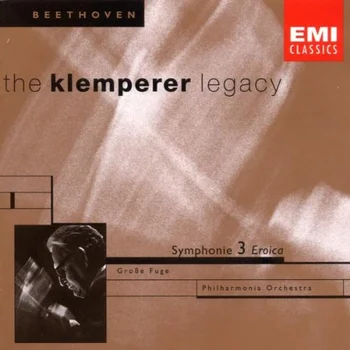
NDR Sinfonieorchester, Günter Wand
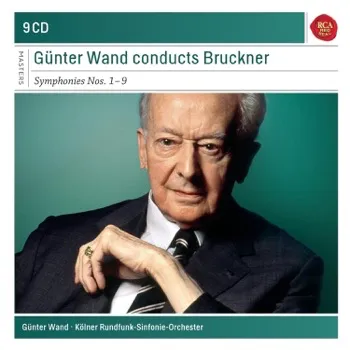
Chamber Orchestra of Europe, Nikolaus Harnoncourt
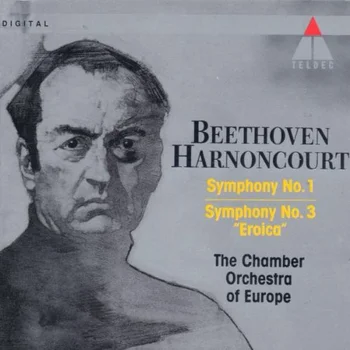
Orchestre Révolutionnaire et Romantique, John Eliot Gardiner
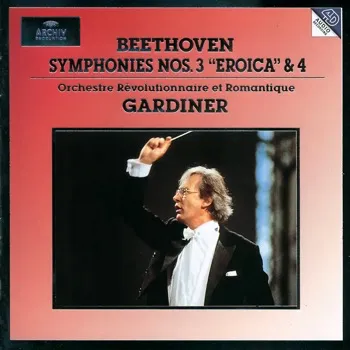
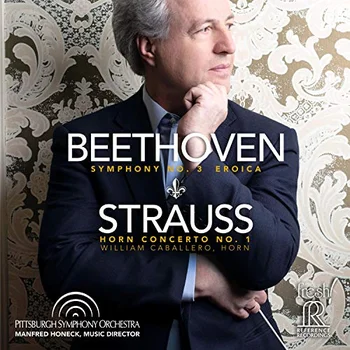
Pittsburgh Symphony Orchestra, Manfred Honeck
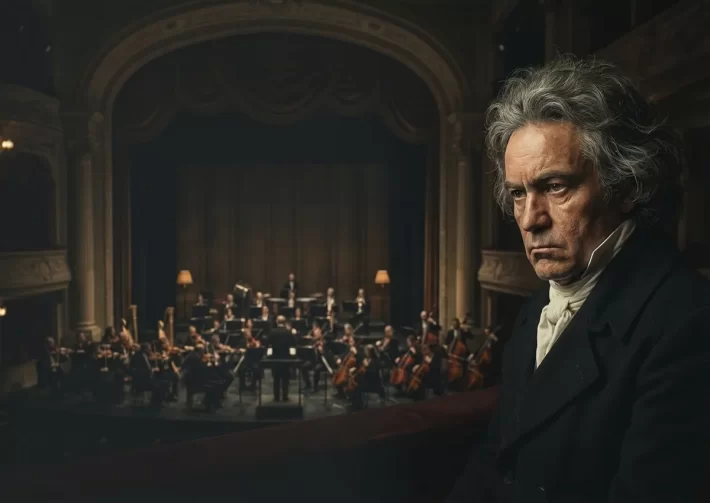
Top image ©️ The Classic Review, AI generated