In September 1827, Hector Berlioz saw the actress Harriet Smithson play Ophelia in a Paris production of Hamlet and fell hopelessly in love. When his letters went unanswered, he turned the obsession into music, completing a symphony in 1830 at the age of twenty-six. It was first performed at the Paris Conservatoire that December, without Smithson in the audience. She heard the revised work two years later, and in 1833 the two were married.
The program follows a young artist through five scenes: a reverie, a ball, a day in the country, a march to his own execution and a witches’ sabbath. The last two are opium nightmares, and the woman he loves haunts every scene as a recurring melody, the idée fixe. In the finale her theme returns as a cackling parody on a shrill E-flat clarinet, and bells toll as the Dies irae rises from the depths of the orchestra. Recordings part company on the details: the repeats in the first movement and the march, the optional cornet in the waltz, the bells, and old instruments versus modern.
Here are The Classic Review editorial team’s recommendations for the 10 best recordings of Berlioz’s Symphonie fantastique.
Royal Concertgebouw Orchestra, Colin Davis
Colin Davis gives the listener the whole score: Every repeat is observed, the march’s among them, and the waltz includes the optional cornet part. Davis tightens the drama one movement at a time, and even Berlioz’s oddest sonorities are made to count. The price is a certain restraint. The ball ends in good order rather than a whirl, and the last two movements are held on a tighter leash than the music invites. Complete and played with unbroken concentration, this 1974 recording is the natural place to start.
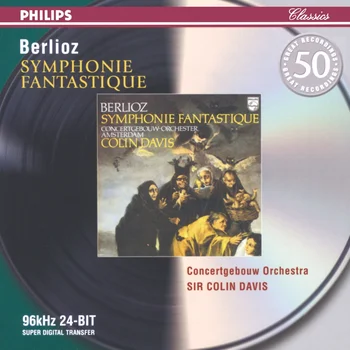
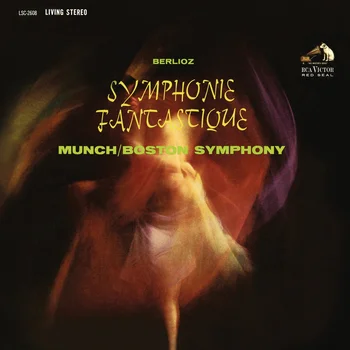
Boston Symphony Orchestra, Charles Munch
Where Davis builds the symphony with steady care, Munch plays it as theater, and this 1962 recording is a touchstone for that raw intensity. The first three movements are ardent, but the real storm is saved for the last two. When it breaks, the march and the witches’ sabbath erupt in a frenzy that still startles, with the whole orchestra driven to the edge. His faster 1954 recording is fiercer still in places, but finer playing and sound tip the balance toward the later version. For Berlioz at his wildest, this is the one to hear.
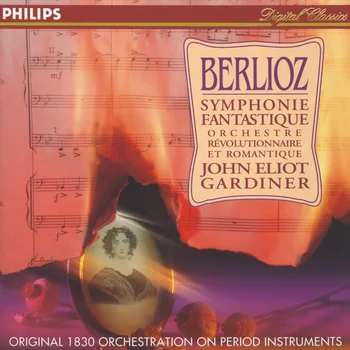
Orchestre Révolutionnaire et Romantique, John Eliot Gardiner
John Eliot Gardiner took his period orchestra into the hall where the symphony was first heard in 1830. He seated the musicians as their counterparts sat in that era, with the violins split left and right, and the 1991 recording still sounds like a discovery. It flows more easily than the period-instrument pioneer before it, and its dynamics stretch from a bare whisper to full force without the inner lines ever blurring. Both repeats are taken, and the optional cornet brightens the waltz. The dry room leaves little halo around the sound, and it is no more thrilling than the great modern-orchestra versions. What it offers instead is the orchestra Berlioz knew, in the very room where his symphony was born.
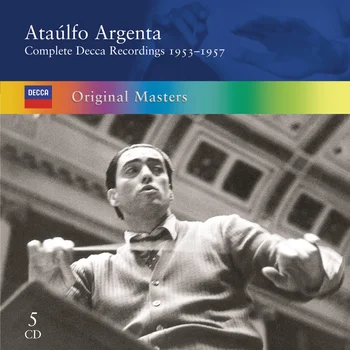
Paris Conservatoire Orchestra, Ataúlfo Argenta
Every movement runs faster than usual in Ataúlfo Argenta’s 1957 recording, and the scenes cut past like a film reel run too fast. Argenta skips the first movement’s repeat but takes the march’s, and the playing is not always polished, with some unevenness in the brass. None of that dims the impetuous energy, which carries the whole symphony along like one long, breathless dream.
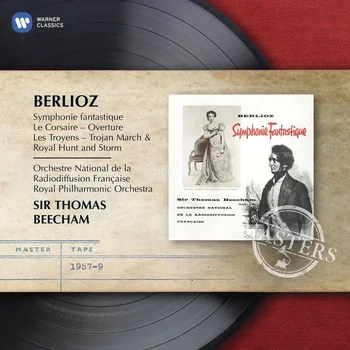
French National Radio Orchestra, Thomas Beecham
A shadow lengthens through this famous 1959 recording. Beecham takes the story entirely seriously, and his march to the scaffold starts slower than usual, so the threat builds before the procession picks up speed. It is a darker, more measured journey than Argenta’s headlong dash. Beecham leaves out the first-movement repeat, and his mono recording from two years earlier burns hotter. Yet the slow build here pays off in a witches’ sabbath that is truly chilling.
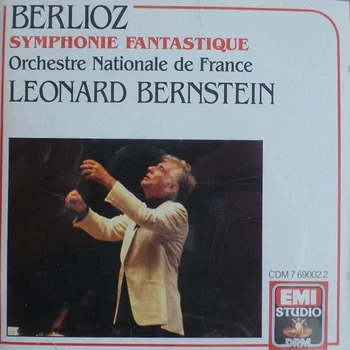
Orchestre National de France, Leonard Bernstein
Every mood swing in the score is played to the full in this 1976 recording. Leonard Bernstein drives the first movement hard, yet he means every one of its quiet, hymn-like closing chords. The waltz has a teasing charm, and the idée fixe drifts through it and is gone. The march to the scaffold is the core of it, a procession that moves the listener to pity. Bernstein’s first New York recording has a sharper edge, and the sound here lacks some depth, but the performance wears its heart openly from first bar to last.
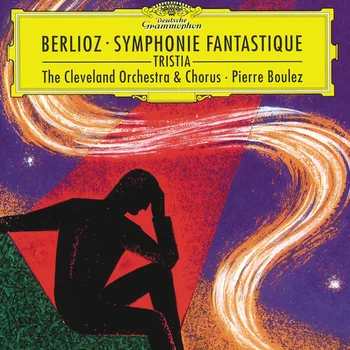
Cleveland Orchestra, Pierre Boulez
Here the symphony is heard, above all, as a symphony. Pierre Boulez keeps close to the composer’s tempo markings, and the shape of each movement stands out with rare clarity. The Cleveland Orchestra plays superbly, with gorgeous strings and every climax held in firm control, and the disc adds Tristia with the orchestra’s chorus. Compared with Munch, this is a cool performance that keeps its emotional distance from the story. What this 1996 recording offers instead is Berlioz’s design laid out in full view.
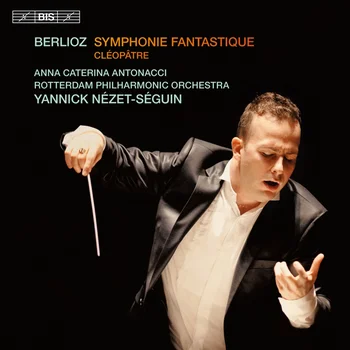
Rotterdam Philharmonic Orchestra, Yannick Nézet-Séguin
This 2010 recording turns the drama inward. If Munch’s Berlioz is a fever, Yannick Nézet-Séguin’s is a confession, with the story told from inside the artist’s head as memory and feeling. The country scene is gently drawn, and the distant thunder at its close is kept low. The march stays in proportion, and in the finale the horrors are more dreamed than seen. Anyone after theatrical terror should look elsewhere, but the searching, personal tone is the point, and the disc adds La mort de Cléopâtre, sung by Anna Caterina Antonacci.
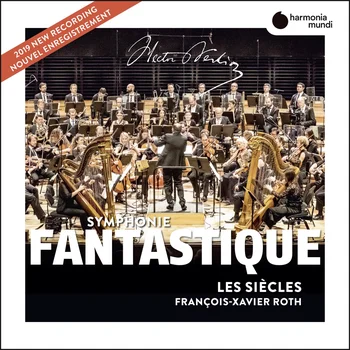
Les Siècles, François-Xavier Roth
Nearly three decades after John Eliot Gardiner’s period-instrument version, François-Xavier Roth and Les Siècles bring the instruments of Berlioz’s day back to this score, and daylight falls between the lines. Roth went back to the composer’s manuscript before recording, and he lets each episode breathe before the next begins. The country scene is spare and unhurried, its period oboe and cor anglais calling to each other in their own reedy colors. In the witches’ sabbath, the bells come from La Côte-Saint-André, where Berlioz was born. The textures trade weight for light, and the finale closes in with a steady tread rather than an explosion. This 2019 recording is a beautifully observed performance, with every page freshly considered.
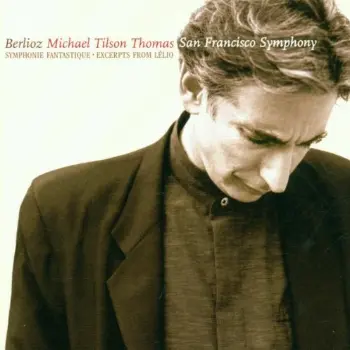
San Francisco Symphony, Michael Tilson Thomas
From its opening bars, Michael Tilson Thomas’s 1997 recording shows the San Francisco Symphony in dazzling form, its playing at once exact and impassioned. The slow country scene never drags, and the march swings between the hushed and the enormous. For all that power, the last two movements burn less fiercely than the first three. The disc adds two excerpts from Lélio, Berlioz’s sequel to the symphony, and a 2024 remaster brings the recording to Apple Music in Dolby Atmos.
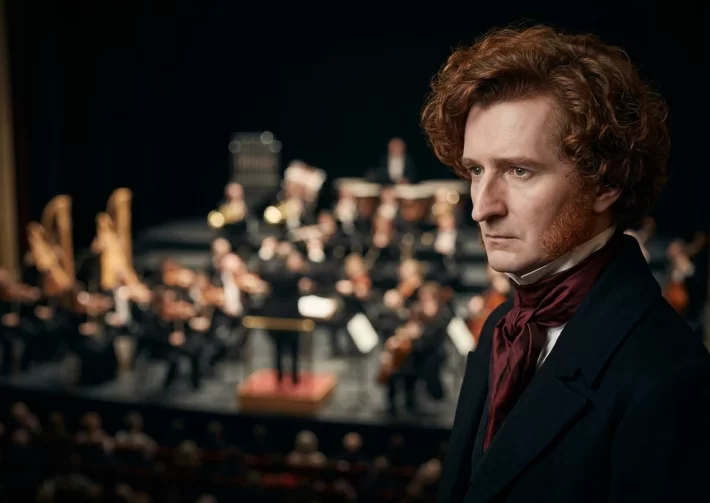
Top image ©️ The Classic Review, AI generated