Beethoven completed his Piano Sonata No. 14 in 1801 and published it the following year, one of a pair issued under the heading quasi una fantasia, meaning in the manner of a fantasy. He dedicated it to a young pupil, the Countess Giulietta Guicciardi. The famous “Moonlight” name was not the composer’s own. It came from a later writer, the poet Ludwig Rellstab, whose image of moonlight on a still lake gave the piece its lasting nickname. The name stuck so firmly that the sonata is now among the most played of all piano works, known less for the storm of its finale than for the stillness of its opening.
The sonata breaks with convention by placing its weight at the end rather than the start. It opens not with a bright sonata-allegro but with a slow, veiled Adagio, its steady triplets and muted sonority holding to a single subdued mood. A short, graceful Allegretto follows, a brief lightening between the darkness on either side. Then comes the Presto agitato, a stormy finale in full sonata form that carries the real drama of the piece and makes the greatest demands on the player. Beethoven asked that the whole first movement be played with the sustaining pedal held down, so the harmonies blur into a soft, resonant halo that pianists still balance in different ways. Some lean into Romantic atmosphere and rubato, others into classical clarity of line, and a few turn to the lighter fortepiano of Beethoven’s own day. That is where these recordings part company.
Here are The Classic Review editorial team’s recommendations for the best recordings of Beethoven’s Piano Sonata No. 14 (“Moonlight”).
Murray Perahia
Perahia’s is among the most carefully considered accounts on the list, prepared from his own close study of the score. He opens the first movement softly and without hurry, holding a steady pulse that neither drags nor presses, and he runs the three movements together as a single arc. The gentle Allegretto arrives like light breaking after the shadowed opening. His finale is fluent and cleanly fingered, though it stays a shade more contained than the stormiest versions here. This is a refined, unforced Moonlight for listeners who prize clarity over drama.
Read the full review of this album here
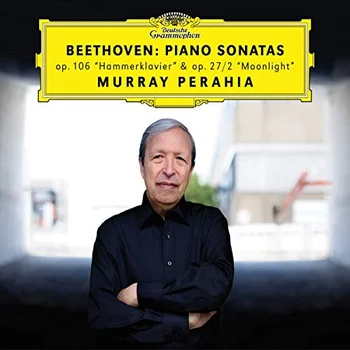
Emil Gilels
Gilels brings a serene composure to the Moonlight that sets it slightly apart from the more volatile readings here. His first movement is quiet and beautifully weighted, the triplets kept level and the tone never pressed, so the music settles into something close to a slow hymn. He carries that same control into the finale, shaping its agitation with a firm hand rather than letting it run wild. Few pianists match the evenness of his touch or the depth of his sound.
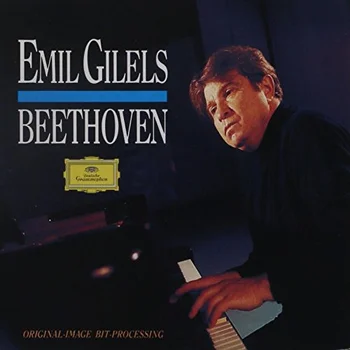
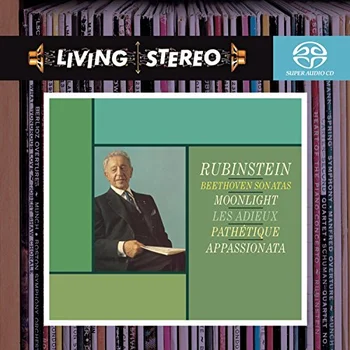
Arthur Rubinstein
Rubinstein came to this sonata late and recorded it in his mid-seventies, and the playing has the ease of a man with nothing left to prove. He keeps the opening plain, with only the slightest give in the pulse, so the line stays grave rather than sentimental. He gives unusual care to the little middle movement, which many pianists treat as a throwaway between the outer two. The finale is steady and clear without being driven hard. This is the Moonlight of a grand lyric style, warmer and less austere than Brendel.
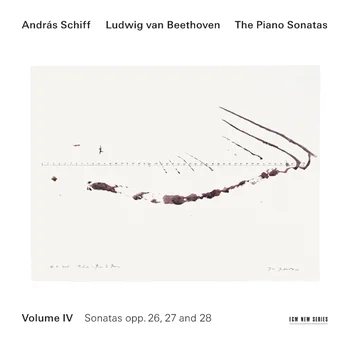
András Schiff
Recorded live, Schiff’s account puts the score itself first. His first movement flows more freely than most, taken at a gentle two beats to the bar so it moves forward. He follows Beethoven’s own veiling of the sound closely, blending the harmonies under a sustained pedal. When the finale arrives he meets its drama head on, and the concert setting lends the outburst an extra charge. It thinks harder about the letter of the score than almost any reading here, yet still remains highly controversial.
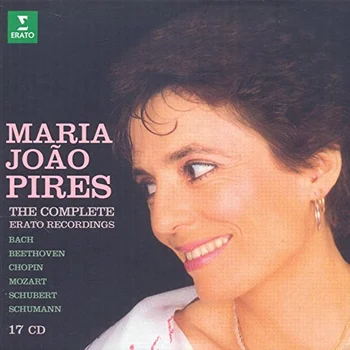
Maria João Pires
This is the first of Pires’s two recordings of the sonata, and the more direct of the pair. Where her later remake grew slower and more inward, here she is quicker and plainer-spoken, letting the first movement move without lingering over its atmosphere. The reading has a clean, unfussy line and a bright clarity well suited to the music’s fantasy marking. Her finale is fleet and lightly sprung rather than heavy. It offers a fresher, more classical view than the weightier readings around it, and it wears that directness well.
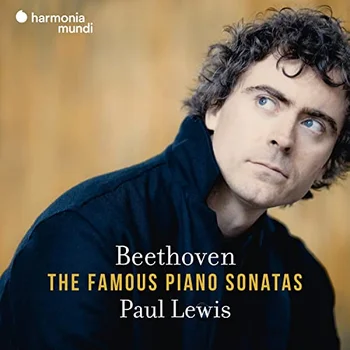
Paul Lewis
Lewis takes a cool, refined view, smoothing away the roughness that some pianists press into the music. His tone is beautifully graded and his fingerwork suave, and he shapes the sonata more through color and texture than through changes of speed. The playing is at its most personal in the little Allegretto, which he draws out with slight lingerings and soft swells of dynamic. Few here are as polished or as finely finished.
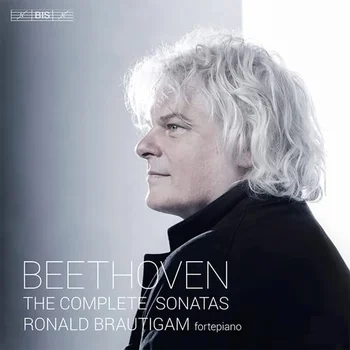
Ronald Brautigam
Brautigam plays a fortepiano of Beethoven’s own day, and it changes the whole character of the piece. The lighter action and bell-like upper register clear away the thick Romantic haze, so the first movement sounds spare and eerie rather than merely dreamy. Freed of that weight, his tempos are brisk and his manner refreshingly free of sentiment. The real payoff is the finale, which fairly crackles, every note of the fast figuration clear and biting in a way a modern grand can blur. For anyone curious how this music sounded on the pianos of Beethoven’s time, it is the essential choice.
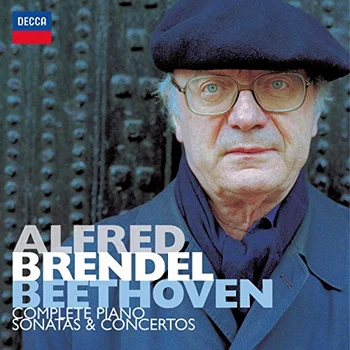
Alfred Brendel
Brendel recorded the Moonlight three times, and this is the second, from the 1970s. It is a reserved, patient reading, closer in spirit to the classical poise than to overt Romantic feeling. Everything is weighed and clearly voiced, the structure always audible beneath the surface. Set beside the warmer readings here it can seem sober, and it gives up its rewards slowly. This is a thinking musician’s Moonlight, one of the most searching first movements on the list.
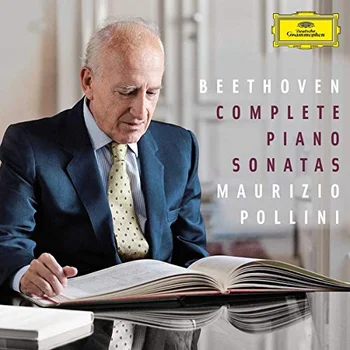
Maurizio Pollini
Pollini approaches the Moonlight with an analyst’s clarity, every strand of the texture cleanly separated. He uses notably little pedal in the first movement, so the harmonies never cloud over, yet the line stays relaxed and singing rather than cold. It is in the finale that his command really tells. The rushing arpeggios come through with a hard, glinting brightness, each one struck distinct, over a left hand that holds the music to an unusually firm tread. Warmth and mystery are not really his aim here. For control and transparency, though, few on the list rival him.
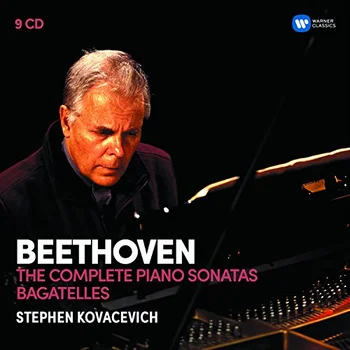
Stephen Kovacevich
Kovacevich draws the sharpest contrast here between the sonata’s two extremes. His first movement is among the most tender on record, the murmuring triplets kept soft and even, its small climaxes swelling and receding without ever breaking the calm. Then he throws himself into the finale, one of the most violent ever set down. The racing arpeggios stay crisp and distinct, and the great hammered chords hit hard without turning to mere noise. Nothing spills into chaos, though. It is a thrilling, tightly held reading.
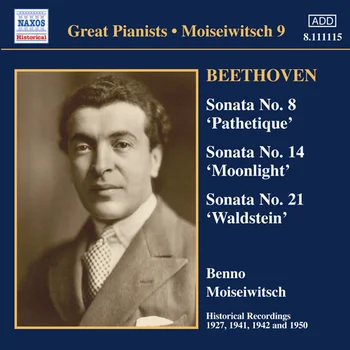
Bonus Choice: Benno Moiseiwitsch
Moiseiwitsch belonged to the grand Romantic school of pianism, and this 1941 recording sounds like it. He plays with a freedom that few would risk today, bending the pulse and voicing the melody with a singer’s instinct. The famous opening is unhurried and finely colored, its rubato applied with a light hand rather than pulled about. The sound is plainly of its era, but the poetry comes through undimmed. It stands here as a reminder of an older, more personal way of playing Beethoven that the later readings, for all their polish, do not attempt.
Top image ©️ The Classic Review, AI generated