In 1928 the dancer Ida Rubinstein asked Maurice Ravel to orchestrate pieces from Isaac Albéniz’s piano suite Iberia for a ballet. The rights to Iberia already belonged to another musician, so Ravel wrote a new piece on the rhythm of a bolero instead. Boléro opened at the Paris Opéra that November, with Rubinstein dancing on a table in a Spanish inn. Ravel called the piece an experiment, described it as “orchestral tissue without music,” and asked for one steady tempo from start to finish.
A snare drum repeats the same rhythm from the first bar to the last, while a long two-part tune passes from one group of instruments to the next. The music grows from a whisper to the full orchestra, until a sudden change of key brings it to a crashing end. Ravel’s own 1930 recording, or at least the one he supervised, keeps an even pace and lasts about sixteen minutes. Others run from under fourteen minutes to over seventeen, and recent albums have returned to Ravel’s original ballet version and to the instruments of his time.
Here are The Classic Review editorial team’s recommendations for the 10 best recordings of Ravel’s Boléro.
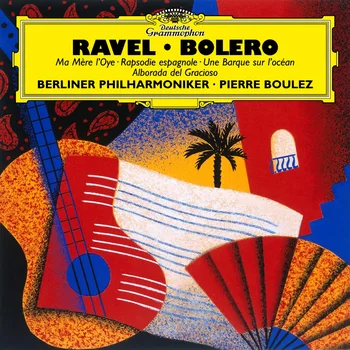
Berlin Philharmonic, Pierre Boulez
Pierre Boulez recorded Boléro twice, and this 1993 version with the Berlin Philharmonic, coupled with Ma mère l’Oye and Rapsodie espagnole, is the finer of the two. Every instrument is clearly heard and well balanced, and the players keep strict discipline from the first drum taps onward. The woodwind solos may sound a little too smooth for tunes that should feel improvised. Once the music turns loud, though, the orchestra plays with real power.
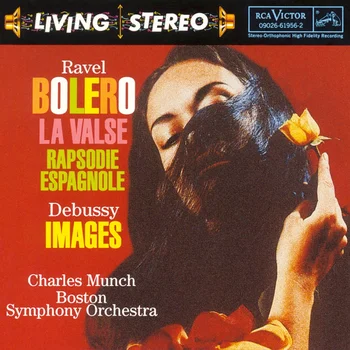
Boston Symphony Orchestra, Charles Munch
The first of Charles Munch’s two Boston recordings, made in 1956, is the fastest on this list. At 13:49 it runs about two minutes quicker than Ravel’s own recording. The playing is tight, fiery and confident, with a touch of dry wit. The rest of the disc, La Valse, Rapsodie espagnole and Debussy’s Images, is just as lively.
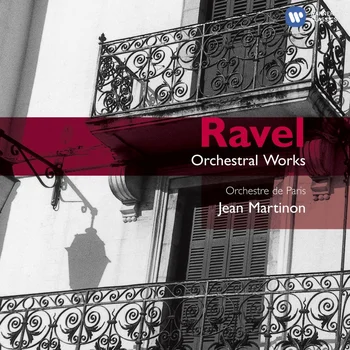
Orchestre de Paris, Jean Martinon
Jean Martinon never changes the tempo in this 1974 recording, yet he builds the tension so steadily that the last minutes feel quicker than the opening. The Orchestre de Paris plays with a rough, direct edge rather than refined beauty of tone. Little else about the reading stands out, and the trombone could have more swing in its solo. It comes in a two-disc set of Martinon’s Ravel recordings with the orchestra, and the steady climb is what makes it worth hearing.
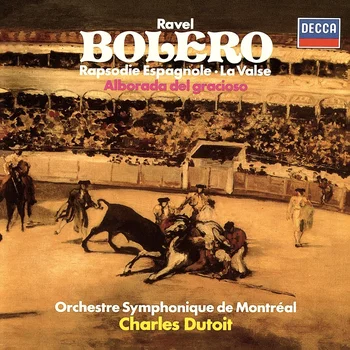
Orchestre Symphonique de Montréal, Charles Dutoit
This 1981 Montreal recording is warm from the first bar. Charles Dutoit lets the dance rhythm come through, and the wind solos are expressive and recorded close, so each melody stands out clearly. The disc also holds Rapsodie espagnole, La Valse and Alborada del gracioso.
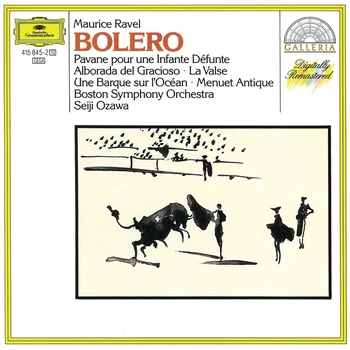
Boston Symphony Orchestra, Seiji Ozawa
In this 1974 recording, Seiji Ozawa makes each new combination of instruments sound vivid, and the playing grows more and more exuberant as the orchestra fills out. In the final pages the Boston brass lead with a broad, full tone.
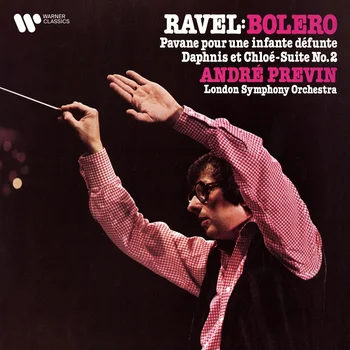
London Symphony Orchestra, André Previn
At more than seventeen minutes, André Previn’s 1979 recording with the London Symphony Orchestra is among the slowest on record. It shares the disc with the second suite from Daphnis et Chloé and the Pavane. Now and then the playing relaxes more than it should, but the unhurried pace suits a sensual, colorful performance that never turns dull.
Philadelphia Orchestra, Riccardo Muti
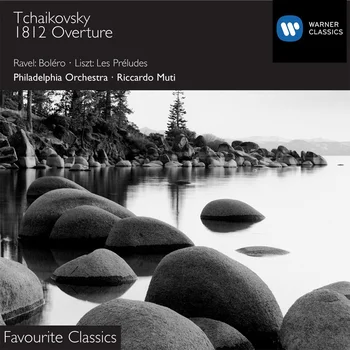
The Philadelphia Orchestra’s recording with Riccardo Muti, from the early 1980s, is as slow as Previn’s but stern where Previn is easygoing. It shares a disc with Liszt’s Les Préludes and Tchaikovsky’s 1812 Overture. The soft opening is shaped with too much care. From there the crescendo grows by very small steps, and at the peak a piccolo trumpet rides on top of the full orchestra.
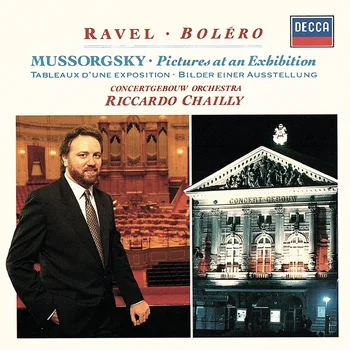
Royal Concertgebouw Orchestra, Riccardo Chailly
Coupled with Ravel’s orchestration of Mussorgsky’s Pictures at an Exhibition, this 1986 recording is quicker and a little cooler than Dutoit’s, yet it never sounds hurried. Riccardo Chailly keeps a firm hand on the pulse, and his Concertgebouw soloists sound free, shaping each melody as though it were their own. The trombone solo is a highlight.
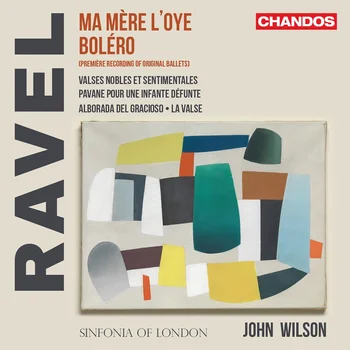
Sinfonia of London, John Wilson
Ravel’s original 1928 ballet version is heard for the first time on record here, in a new edition by John Wilson, recorded in 2021. The differences are easy to hear: two snare drums, placed on opposite sides of the orchestra, take turns with the rhythm, and castanets join in during the final minutes. The alternation can make the piece sound like a series of blocks. The late change of key also passes without being marked, and the loud ending feels less of a release than expected. For the music Rubinstein first danced to, this is the recording to hear.
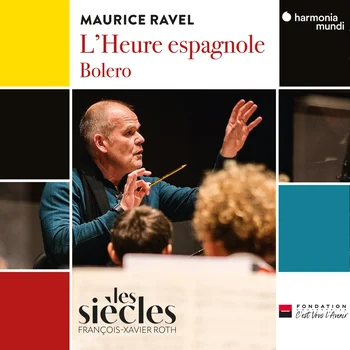
Les Siècles, François-Xavier Roth
Like Wilson’s, this recording was made in 2021, and it goes back to the composer’s own time in a different way. François-Xavier Roth uses period instruments of the kind Ravel’s orchestra played. He keeps a moderate, steady tempo, and the music stays light and lively, like the dance it was written for. It comes as the companion to the one-act opera L’Heure espagnole.
Top image ©️ The Classic Review, AI generated