
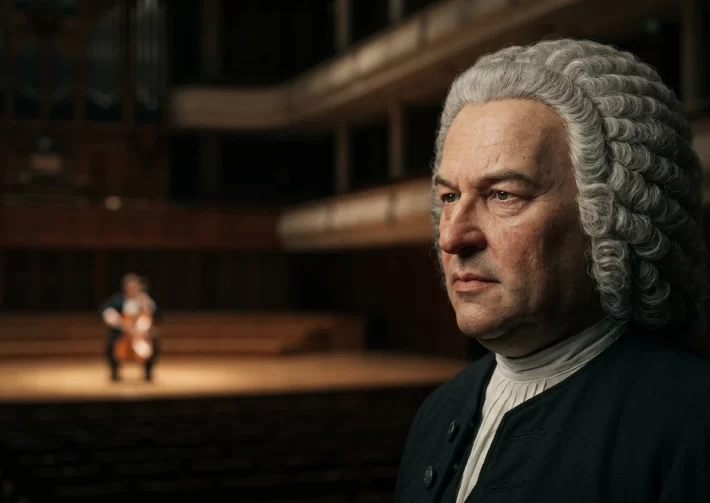
Bach wrote his six suites for unaccompanied cello during his years at Köthen, most likely between 1717 and 1723. At that court he had no church music to write, and composed mainly for its players. For a long time the suites were treated as study material, useful for building technique but seldom played complete in concert. That changed after the young Pablo Casals found a worn copy in a Barcelona shop in 1889, and lived with the music for years before he would perform it in public. What he championed was not a set of exercises but the music now regarded as the summit of the cello’s repertoire.
Each suite is written for a single cello with no accompaniment, and all six follow the same plan: a free opening prelude, a set of dances, and a lively closing gigue. From this simple frame Bach draws an enormous range. The flowing calm of the First Suite gives way to the shadowed weight of the Fifth and the bright, almost orchestral sweep of the Sixth, which he seems to have intended for a five-string instrument. No manuscript in his own hand survives, so the main source is a copy made by his second wife, Anna Magdalena. That gap leaves performers to settle tempo, phrasing and ornament for themselves, and recordings answer those questions in very different ways. Some play the suites on a warm modern cello, others on gut strings and a lighter Baroque setup, and the same music can sound like private prayer or open drama.
Here are The Classic Review editorial team’s recommendations for the best recordings of Bach’s Six Cello Suites.
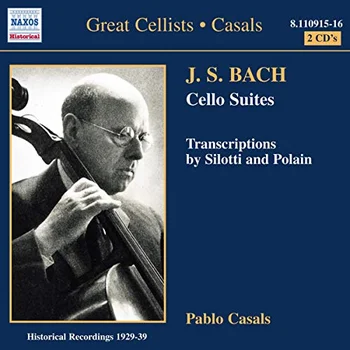
Pablo Casals
No recording did more to make this music what it is today than Casals’s, set down across the late 1930s as the first complete cycle ever put on disc. His Bach is built on rhetoric and rhythm, full-blooded and often surprisingly brisk, with the dance movements alive with character. The Prelude of the Fifth Suite shows his gift for sustaining a long line, holding its shape from first note to last. The sound is plainly of its time, and a few fast passages blur under his bow. What survives is the force of a player who heard these suites as living speech.
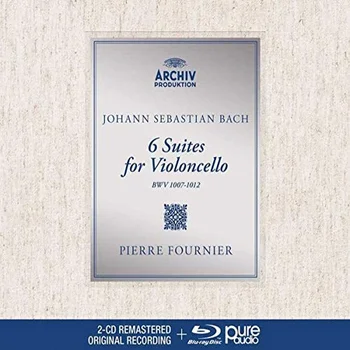
Pierre Fournier
For decades Fournier’s recording has been the version newcomers are pointed to first, and it still wears that role easily. His playing is poised and cultured, romantic in feeling but never overdone, with long phrases that keep their momentum from one dance to the next. The Prelude of the First Suite sets the tone, unhurried yet always moving forward. Where Casals presses and drives, Fournier is smoother and more even, closer to song than to speech. It stays the safest first choice for listeners who want the suites on a modern cello without any mannerism.
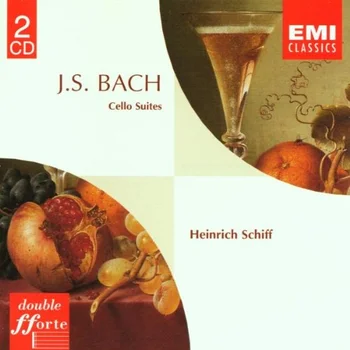
Heinrich Schiff
Bigger and more muscular than either Casals or Fournier, Schiff’s recording has real backbone. His tone is rich and tightly focused, driven by a firm bow and a clear attack, and he lets it turn slightly rough in the heat of a fast movement. The major-key suites come out sunny and joyful rather than merely pretty, while the minor-key ones stay grave without turning heavy. Anyone who finds period versions too lean will welcome this full-bodied modern sound.
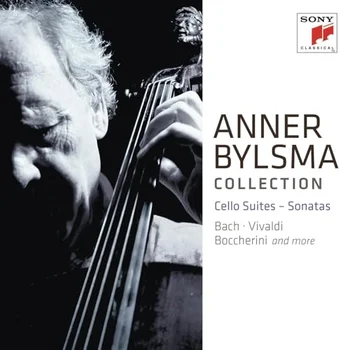
Anner Bylsma
Bylsma’s set was the first complete recording made on a Baroque cello, and it changed how players and listeners thought about this music. Gut strings and a period bow give it a leaner, more transparent sound, quick to speak and full of nervous energy. Phrases breathe and dance rather than sing in long romantic spans, so the music feels lighter on its feet than in Casals or Fournier. The trade is in weight and warmth, which some will miss. As the recording that opened the door to every period reading since, it stays essential listening.
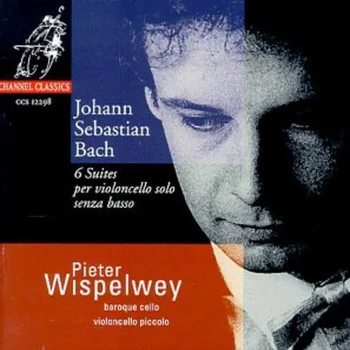
Pieter Wispelwey
Wispelwey has recorded the suites more than once, and this period-instrument account is among the most extroverted on the list. He plays with a light, airy tone and a real spring in the rhythm, keeping the tempos brisk so the dances never turn solemn. His timing can be free and personal, yet it always serves the dance rather than the moment. For the Sixth Suite he switches to a small five-string cello, and it rings out clear and bright at the top.
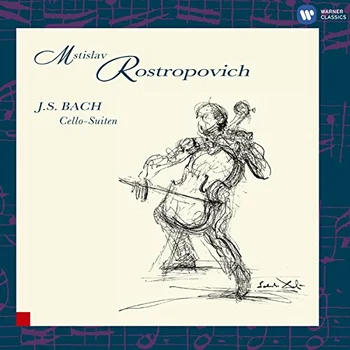
Mstislav Rostropovich
Few readings are as personal as Rostropovich’s, recorded after he had waited until late in his career to set the suites down. He gives each of the six its own character, from lightness through sorrow to brilliance, grandeur and darkness, and his tone is broad and commanding throughout. That deliberate approach divides opinion. To admirers it is majestic and deeply felt; to others it can sound studied, the pulse held too firmly for the dances to swing. It suits listeners who want the suites as grand personal drama rather than quiet private ritual.
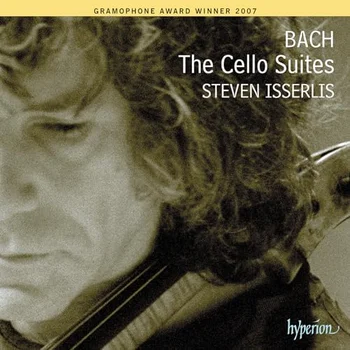
Steven Isserlis
There is a searching, thoughtful quality to Isserlis’s playing here, with clean, discreet ornaments that decorate the line without pulling it out of shape. Isserlis’s rhythm is steady and his manner unshowy, which lets the music speak plainly. Isserlis has written about hearing the six suites as a single spiritual journey, from a gentle opening to a blazing close, while stressing that the playing always comes first. The Prelude of the Fifth Suite is a highlight, quiet and unhurried where others reach for weight. The sarabandes, by contrast, hold a good deal of restrained feeling.
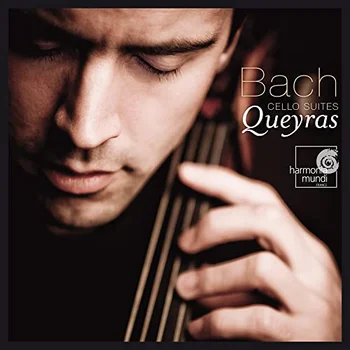
Jean-Guihen Queyras
Queyras offers one of the most naturally flowing modern accounts on the list. His playing is warm and lucid, with a flexible sense of timing that bends the phrase without ever sounding fussy or breaking the pulse. Each prelude is given its own mood, so the six suites feel like six distinct worlds rather than variations on one. Next to Isserlis he allows himself a little more freedom and color, though both keep Bach’s line clearly in view. The effect is calm and intimate, closer to a conversation than a monument.
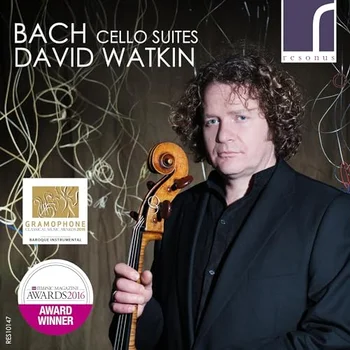
David Watkin
Watkin’s period recording has been widely admired since it appeared, and with reason. He plays on gut strings with an articulate, relaxed touch, and the result is buoyant without ever feeling rushed. The clarity of the older setup lets the counterpoint of the harder suites come through with unusual ease. For the Sixth Suite he uses a rare original five-string cello, an instrument close to what Bach probably wrote for, and it lends a full, resonant sound to its highest reaches. It is among the most persuasive of the modern period-instrument readings.
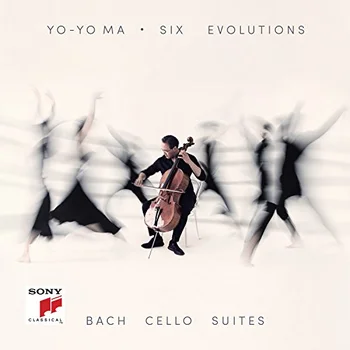
Yo-Yo Ma
This is Ma’s third recording of the suites, made more than thirty years after his first, and it is the most inward of the three. Gone is the polish of the earlier versions, replaced by a freer, more questioning manner that lingers over small details of phrasing and shading. The sound is close and dry, so you hear the grain of the bow and even the player’s breath. That plainness will not be to every taste, but it fits the mood of a musician revisiting music he has known all his life. He plays it like a storyteller returning to a familiar tale.
Top image ©️ The Classic Review, AI generated
Included with an Apple Music subscription:
Available on Presto Music

Latest Classical Music Posts

More classical music reviews | More classical music best-of guide